What Botox Really Is, and How It Works
By Dr. Sophia Ali, MD
Hey y’all! I was talking to my Botox representative today and I thought to myself, do people know what Botox really is? And how it works? Do people know that there are different options out there now, in addition to Botox?
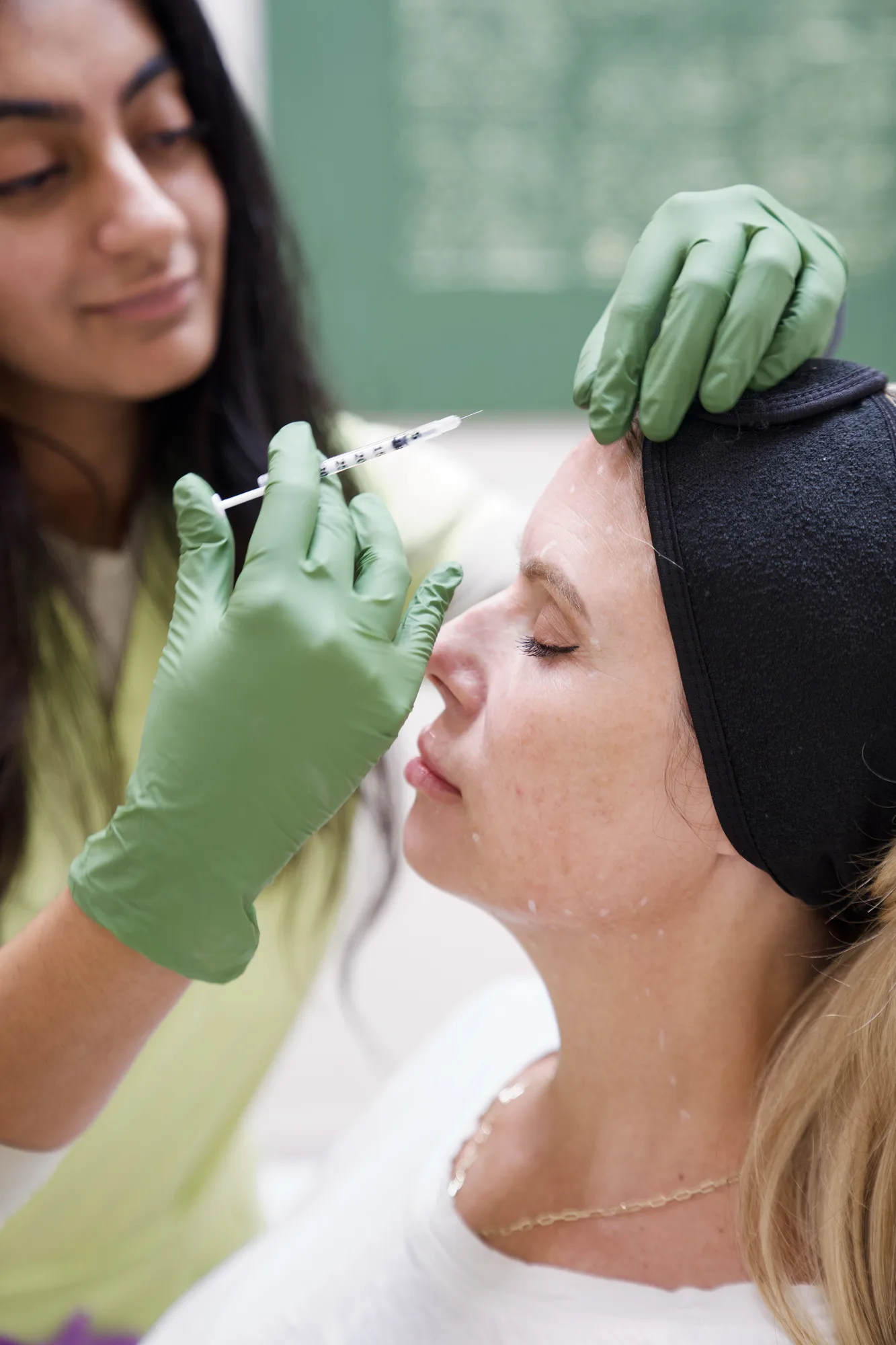
When I write Botox (like in the title), I really mean neuromodulators. The brand name Botox has become such a household name that it is now perceived as the general name for all neuromodulators used in aesthetics. Botox was the first neuromodulator ever used in aesthetics and it still holds the largest market share in the global neuromodulator industry.
So, what are neuromodulators?
A neuromodulator is an injectable agent that temporarily relaxes facial muscles to help soften and smooth the appearance of dynamic fine lines and wrinkles (below I define what dynamic means). Neuromodulators fit under the broad category of neurotoxins. Over the past few years, the industry has moved away from using the word neurotoxin (which we used to use all the time to describe these treatments) to neuromodulator, probably because the word neurotoxin sounds more intimidating. It’s all about the marketing, am I right? Regardless, the word neuromodulator does describe these treatments better, since it reflects what the product does versus what it is. You can think of neurotoxin as the actual ingredient in the injectable that causes the muscle to relax.
The neurotoxin used in every single neuromodulator we have on the market right now is botulinum toxin type A. This toxin, or protein, is produced by a bacterium called Clostridium botulinum. This protein is harvested and then put through a purification process, yielding a highly purified protein that is safe for medical and aesthetic use.
How does Botox work?
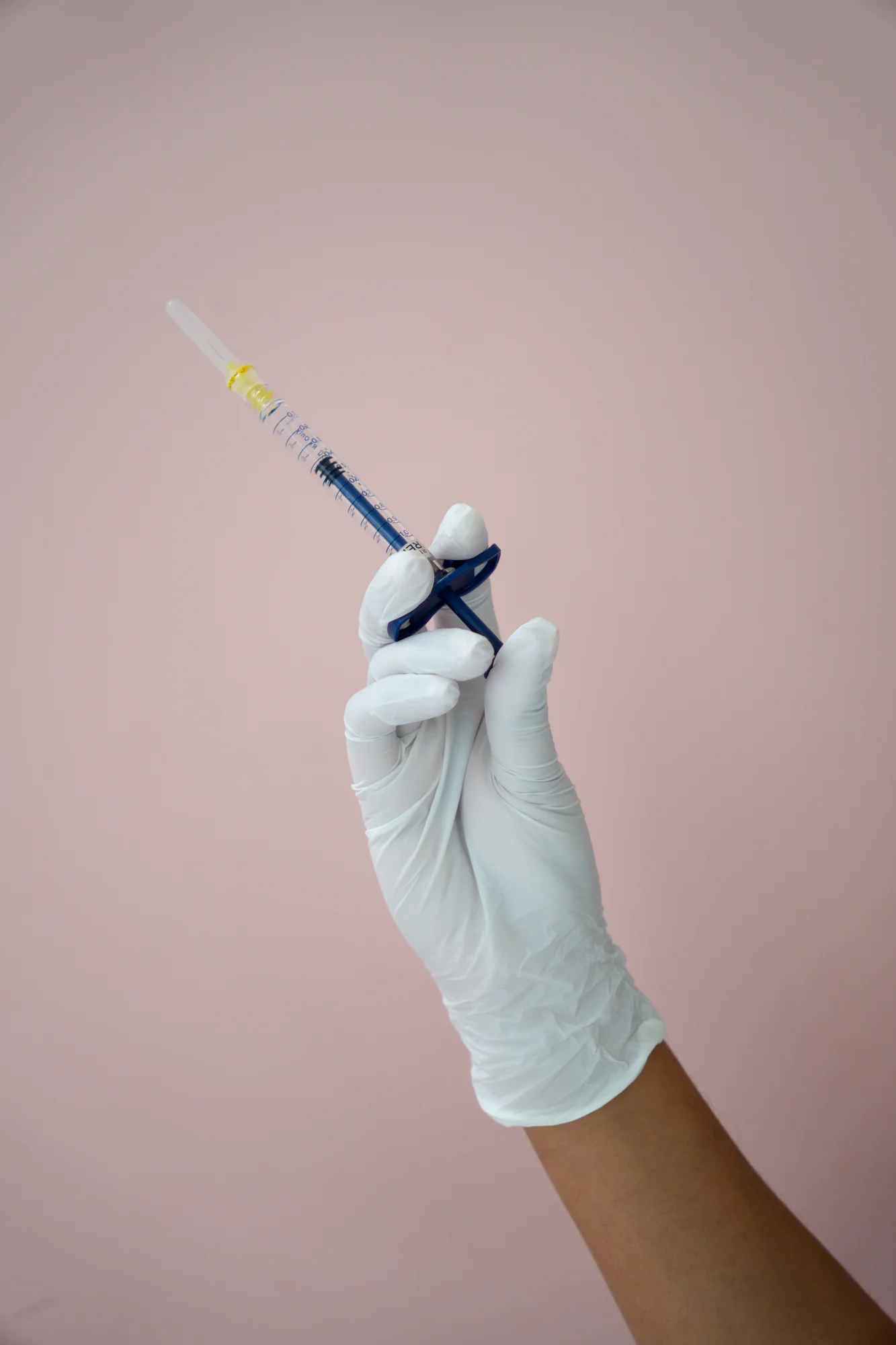
All the neuromodulators (neurotoxins) on the market right now that are approved for cosmetic use have the same fundamental mechanism, although they may differ in formulation. To make a facial expression, your nerves release a chemical messenger called acetylcholine, which tells the muscle to contract. Repeated contraction of certain muscles leads to dynamic wrinkles (see below). Neuromodulators are injected into muscles causing those wrinkles, acting at the neuromuscular joint which is the communication point between the nerve and the muscle. The toxin enters the nerve cell and cleaves a protein essential for releasing acetylcholine into the neuromuscular joint. No acetylcholine from the nerve means that no message goes out to the muscle to contract, leaving us with smoother skin.
What types of wrinkles does Botox treat?
It’s important to understand what dynamic and static wrinkles are. Dynamic wrinkles are the ones we get with repeated facial expressions, like frowning, raising your eyebrows, or squinting. These types of wrinkles respond well to neuromodulator treatment because they relax the muscles that allow us to make those repeated facial expressions. If you can’t make the expressions causing the wrinkles, then the wrinkles and fine lines smooth out over time. Static lines, on the other hand, are lines that we see on our face when our face is at rest. These fine lines and wrinkles don’t respond well to neuromodulator treatment (think about wrinkles that are formed by sleeping on your side with your face pushed up against your arm or pillow, creating a pressure fold). Over time, and with repeated compression, these lines can become permanent wrinkles due to the breakdown of collagen and elastin in those areas, causing volume loss (which is why you’ve heard it’s best to sleep on your back!) Some common dynamic wrinkles include the horizontal lines on our foreheads when we raise them, the lines around the outside of our eyes when we smile or squint, and the “11s” that form in between our eyebrows when we frown.
Hopefully this helps you understand if the wrinkles and fine lines you see on your face could be treated with a neuromodulator like Botox.
What different types of neuromodulators are on the market?
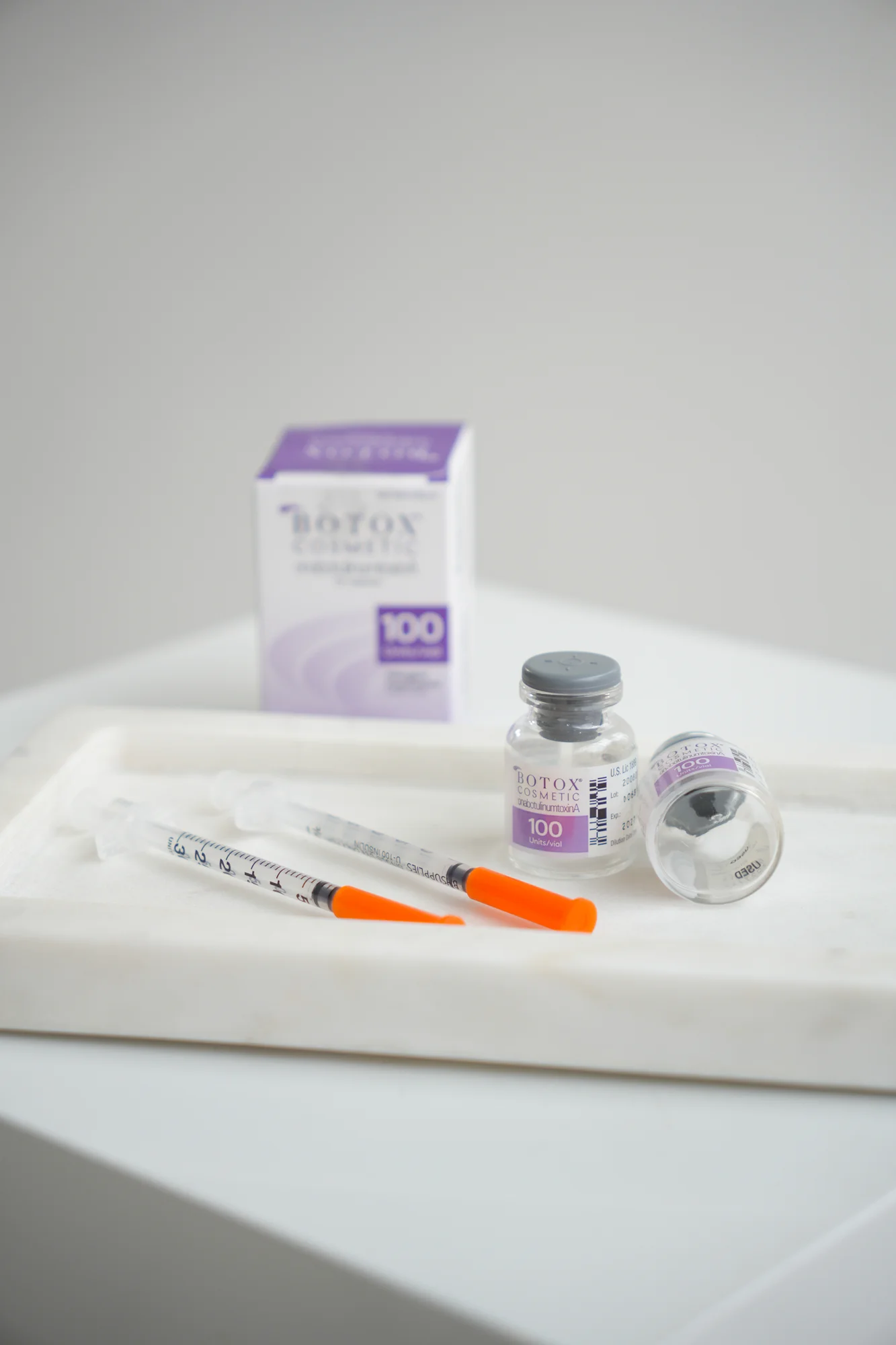
Currently there are six neuromodulators that are approved in the US for aesthetic treatments, all of which use botulinum toxin type A
Botox (onabotulinumtoxinA)
Botox has the most fascinating history since it was the first neurotoxin approved for aesthetic use, which means we get a short history lesson, yay!
- In the early 1800s, people were getting a mysterious illness after eating poorly preserved or spoiled sausages which people called “sausage poisoning.” Between 1817 and 1822, a German doctor named Justinus Kerner recognized that a biological toxin was the cause of this illness (which we now know as botulism) and even speculated that there might be a therapeutic use for it (he was way ahead of his time!)
- In 1895, a microbiologist named Emile Pierre van Ermengem figured out that Clostridium botulinum, a bacterium, was the source of the toxin.
- In 1946, botulinum toxin type A (the specific toxin used in all current neuromodulators) was first purified from the bacterium Clostridium botulinum by Dr. Edward Schantz and studied for its therapeutic uses.
- By the 1970s, botulinum toxin type A was purified in injection form by Dr. Alan Scott to treat strabismus (misalignment of the eyes). Due to the injection’s amazing efficacy, this toxin was used to treat more and more medical conditions like blepharospasms (eyelid twitching) and muscle spasticity. Dr. Alan Scott named the product Oculinum and formed the company Oculinum in 1978.
- While injecting patients with botulinum toxin type A to treat eye disorders, Dr. Jean Carruthers, an ophthalmologist who trained with Dr. Alan Scott, noticed patients had improvement of the quality of their skin and reduced frown lines. She shared this observation with her husband, a dermatologist, and they started studying botulinum toxin type A for cosmetic use.
- In 1989 the FDA approved botulinum toxin type A for medical use in eye disorders.
- Shortly after, in 1991, Allergan bought Dr. Alan Scott’s company, Oculinum, and rebranded it as Botox. At this time, Allergan was a pharmaceutical company that primarily specialized in eye care.
- In 1992, Dr. Jean and Dr. Alastair Carruthers published a landmark paper showing that botulinum toxin type A could safely and effectively reduce facial wrinkles by temporarily relaxing targeted facial muscles.
- And by 2002, the FDA approved Botox for the treatment of frown lines.
I find this history fascinating for so many different reasons, especially because it embodies the essence of both medicine and science in action. Discovering that a bacterium was the cause of outbreaks of botulism through the use of the scientific method, figuring out that we can somehow extract the toxin responsible for the effects of the bacterium and then use it therapeutically for eyelid twitching, and then through observation it was accidentally discovered that this toxin can reduce wrinkles, which transformed both medicine and aesthetics forever. What I love about this is that we can see, through the journey of Botox, how far we’ve advanced scientifically, and at the same time, how much more there is to explore, especially in the field of aesthetics.
Ok well, to get back to the original question, I’ll outline below some of the different neuromodulators on the market right now for use in aesthetics in the US. Remember that each one of these uses botulinum toxin type A, just formulated a little differently.
Botox (onabotulinumtoxinA)
- Approved in 2002
- Uses accessory proteins to form a larger complex to stabilize the toxin
- Onset within 3-7 days
- Duration 3-4 months
Dysport (abobotulinumtoxinA)
- Approved in 2009
- Uses accessory proteins to form a larger complex to stabilize the toxin
- Larger diffusion area, a good option for large areas (think forehead, masseter, neck, underarms, trapezius)
- Onset within 2-5 days
- Duration 3-4 months
Xeomin (incobotulinumtoxinA)
- Approved in 2011
- Does not use accessory proteins, is known as a “naked” neurotoxin which means there may be a lower theoretical risk of forming antibodies against the toxin
- Onset within 3-7 days
- Duration 3-4 months
Jeuveau (prabotulinumtoxinA)
- Approved in 2019
- Uses accessory proteins to stabilize the toxin, designed to closely mimic the clinical performance of Botox
- Onset 3-7 days
- Duration 3-4 months
Daxxify (daxibotulinumtoxinA)
- Approved in 2022
- Does not use accessory proteins, instead it uses a peptide that binds to the toxin, enhancing stabilization
- This peptide improves adherence of the toxin to nerve surfaces in the neuromuscular junction (check out the section “How does Botox work”), which increases its likelihood to enter the nerve cell. This allows for a longer duration of action, as long as it is dosed appropriately.
- Onset within 2-5 days
- Duration 6 months
The neuromodulator Daxxify is distinctly different from the other neuromodulators because it uses a peptide to stabilize the toxin. The proteins (maybe I’ll do another post that covers peptides vs. proteins) in the other neuromodulators don’t have any real biological activity. They mostly form a protective protein complex around the toxin which keeps the toxin from degrading. Daxxify, on the other hand, uses a peptide that is biologically active. Not only does it physically stabilize the toxin, but it helps the toxin bind to the nerve which may increase the likelihood that the toxin will enter the nerve cell and block the release of acetylcholine (see “How does Botox work?”). This is probably the mechanism that contributes to its extended duration.
I have one last thought to share about this. Isn’t it interesting that only 1 year after Allergan bought Oculinum (which was the name of the neuromodulator, now known as Botox, and it was also Dr. Alan Scott’s company) a groundbreaking paper was released showcasing the role of botulinum toxin type A in cosmetics? I don’t know if it was pure luck for Allergan or a very strategic move by them (maybe they knew research was being done on the cosmetic use of Oculinum before they bought Oculinum), but what an extraordinary thing to happen for them, leading them to become the global leader in medical aesthetics. This part of the story of Botox also fascinates me because it goes to show that a combination of things must align to make a product so successful – strategy (or maybe just luck), a great product, and amazing branding.
Which one is right for me?

My honest answer to this question is that the most important thing is to find an injector that you trust. All of these neuromodulators can be used by a skilled injector to give you the result you want. Because some of these neuromodulators require different dosing, it’s important that the injector you go to is well versed on the injectables that they keep in their clinic and how to properly dose each.
Some things to consider: some people truly do have preferences for different neuromodulators. That preference was founded by trying different ones. So I do recommend that if your injector carries more than one type of neuromodulator, that you try them all out to see which one is best for you. Different neuromodulators have different price points as well, which may need to be taken into consideration. Otherwise, I say that you need to try it out in order to figure out which one is right for you.
Hopefully this article has been helpful for you to understand what neuromodulators like Botox are and how they can help you. If you want to discuss if Botox is right for you, I recommend making an appointment for a consultation at Skin Talk. Our aesthetic consultations are complimentary and we will go over all of your skin concerns and the many ways we can use Botox (among other things) to reach your skin goals. We hope to see you soon!

Founder of Skin Talk in Richmond, TX.